
- November 18, 2025
- Posted by: admin
- Category: Latest News
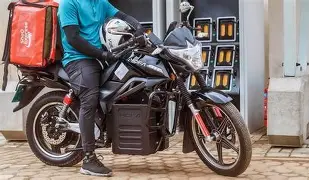
EV motorbikes in Nigeria present a strategic pathway to achieving the country’s climate goals while also improving mobility and access to transportation. Their key advantage is fuel cost savings, as electricity is generally cheaper than petrol, especially given rising fuel prices and increased demand for mobility.
Electric bikes offer environmental benefits by reducing emissions and supporting Nigeria’s energy transition and urban mobility goals. Their compact design and battery-swapping capabilities make them well-suited for congested cities such as Lagos, Port Harcourt, and Abuja. Not forgetting the rampant use of motor bikes in our rural areas as a means of transport. To maximize these benefits, the government should promote green mobility by investing in EV infrastructure, local assembly, innovation, maintenance, training, and sales. Additionally, incentives are needed to make electric bikes more affordable compared to petrol-powered motorcycles.
Also, there are also some key challenges like High Purchase Cost, Limited Charging Infrastructure. Charging stations are scarce, especially outside major cities like Lagos and Abuja.
Rural areas, where motorcycles are most widely used, lack reliable electricity access, making EV adoption difficult. Battery Life & Replacement Costs is also a hinderance. Others include Battery Life & Replacement Costs, especially in rural areas, where motorcycles are most widely used, and lack reliable electricity access, making EV adoption difficult. In addition issues about battery durability in Nigeria’s hot climate and rough road conditions.
The country can help in encouraging the utilization of motorcycle EVs by creating national awareness. enhancement of Weak Policy & Incentives. Countries with subsidies or tax breaks can enhance motor bike usage, Nigeria has limited government support for EV adoption. Reducing Import duties on EVs and making them less competitive against petrol bikes will also help in the adoption of EV.
Their compact design and battery-swapping capabilities make them well-suited for congested cities such as Lagos, Port Harcourt, and Abuja. Rural areas, where motorcycles are most widely used, lack reliable electricity access, making EV adoption difficult. Others include Battery Life & Replacement Costs, especially in Rural areas, where motorcycles are most widely used, and lack reliable electricity access, making EV adoption difficult. In addition, issues about battery durability in Nigeria’s hot climate and rough road conditions
To maximize these benefits, the government should promote green mobility by investing in EV infrastructure, local assembly, innovation, maintenance, training, and sales. Additionally, incentives are needed to make electric bikes more affordable compared to petrol-powered motorcycles.
The country can help in encouraging the utilization of motorcycle EVs by creating awareness. enhancement of Weak Policy & Incentives. Unlike countries with subsidies or tax breaks, Nigeria has limited government support for EV adoption. Reducing Import duties on EVs and making them less competitive against petrol bikes.
Paul Ogwu