
- December 29, 2025
- Posted by: admin
- Category: Latest News
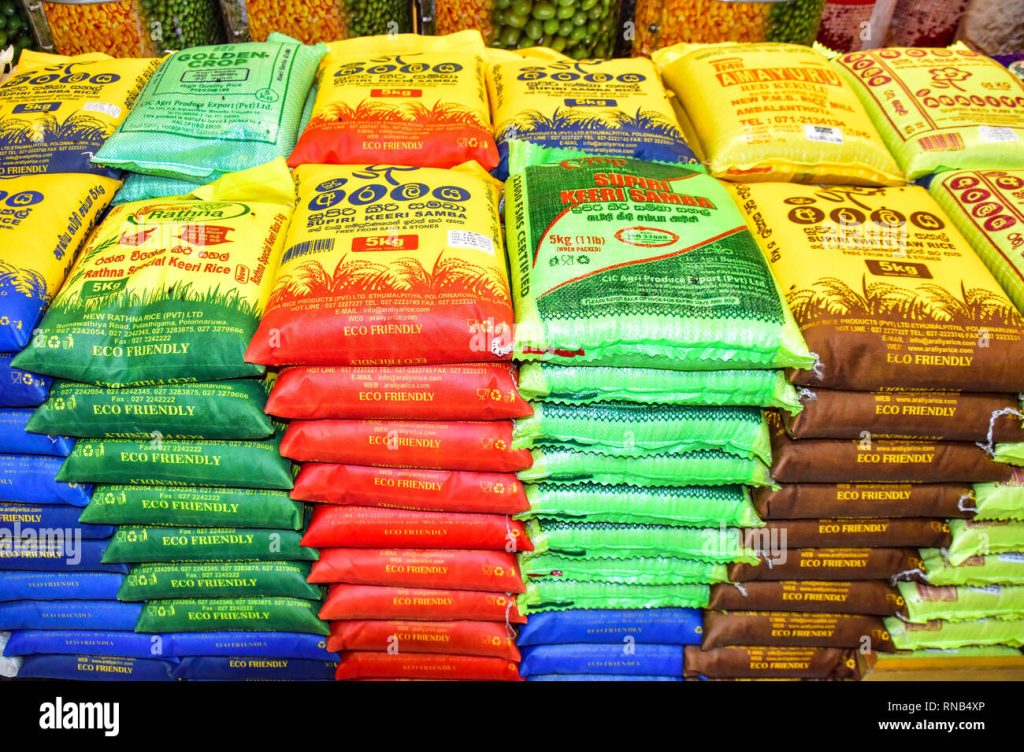
The price of rice has fallen from an all-time high to a reasonable price, which was good for consumers this festive season. Rice is a staple in Nigeria. Numerous factors contributed to the decline. The price of Rice in 2025 has been caused by a confluence of economic variables, market oversupply, and government policy. Important contributors include the Government Import Waivers and Duty-Free Policies: Beginning in July 2024, the Nigerian government established a 180-day duty-free import window that permits authorized millers and businesses to import necessities like brown rice without paying taxes or duties. Agricultural imports reached N2.22 trillion in the first half of 2025, a 32.6% rise over year, as a result of this. This, in part, was to curtail high inflation caused by subsidy removal, floating of the exchange rate, and other reforms.
In addition, some factors like: A global surplus, aggressive export strategies from Asian producers (e.g., India removing export duties on parboiled rice), and imports flooding in through borders like the Republic of Benin created a market glut.
Weak Consumer Demand and Economic Pressures: The demand for staples like rice has decreased due to Nigeria’s faltering economy, characterized by a protracted cost-of-living crisis and diminished purchasing power. As a result of the fall, we are also not helping our drive for food security and sovereignty.
Consequences for nearby farmers. Although consumers benefit from lower rice prices, local farmers, millers, and the larger agricultural industry have suffered greatly as a result,long-term food security. Important ramifications consist of decreased earnings and financial Stress: Farmers are finding it challenging to recover costs or generate a profit due to collapsing farm-gate pricing and skyrocketing input costs (such as fertilizers and herbicides). Many are dealing with unsold rice, and some have been holding rice in anticipation of price increases that never happened. This has resulted in losses and uncertainty for the upcoming planting season.
Overall, the situation shows a tension between short-term consumer gains and long-term sustainability for Nigeria’s rice farming community. To address these issues, requests have been made for increased infrastructure support, subsidies, and stakeholder engagement.
my interview with CGTN on this